Wisdom Teeth Removal Oxnard CA: Before, During, and After
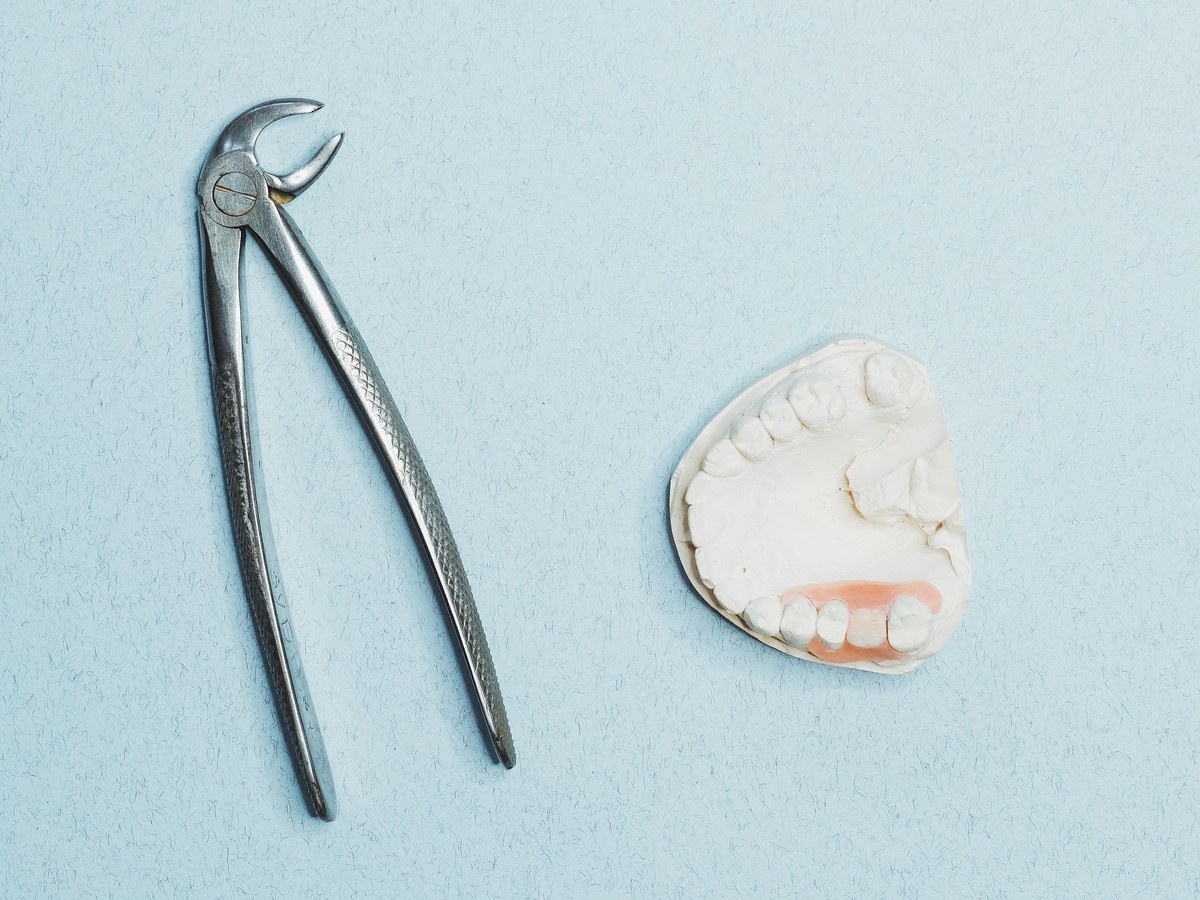
Wisdom teeth have a way of turning a routine dental visit into a bigger conversation. For some people, they slide in quietly and never cause trouble. For many others, they arrive late, crowd neighboring teeth, trap bacteria under the gums, or push sideways into bone. By the time pain shows up, the situation is often more complex than it first seemed.
Patients looking into Wisdom Teeth Removal Oxnard CA usually want the same three things. They want to know whether removal is really necessary, what the procedure feels like, and how hard recovery will be. Those are fair questions. Oral surgery can feel intimidating, especially if it is a first surgery, but most of the anxiety comes from not knowing what to expect. When people understand the process from the first consult to the final follow-up, they usually feel more in control and make better decisions.
The details matter here. Wisdom teeth removal is not one single experience. A fully erupted tooth that can be lifted out in minutes is very different from a lower wisdom tooth buried deep in bone near a nerve. Age matters, anatomy matters, and timing matters. So does the skill of the surgical team and the quality of your aftercare at home.
Why wisdom teeth become a problem
Wisdom teeth, also called third molars, are the last adult teeth to develop. They usually appear in the late teen years or early twenties, though timing varies. Human jaws often do not have enough room for them. When space is limited, a wisdom tooth may erupt only partway, stay trapped under the gums, or grow at an angle toward the second molar.
That is where problems start. A partially erupted wisdom tooth creates a pocket where food and bacteria collect. Patients often describe a sour taste, swollen gums behind the back molars, or soreness that comes and goes. In the office, it is common to see inflamed tissue overlying the tooth, a condition many dentists call pericoronitis. It can flare up after stress, illness, or a period of poor sleep, then calm down just enough to make people put off treatment.
Crowding is another concern, although it is often misunderstood. Wisdom teeth do not always single-handedly “cause” all front tooth shifting, but they can create pressure in an already tight arch and complicate orthodontic stability. More important from a surgical standpoint, impacted wisdom teeth can damage the tooth in front of them. Food and bacteria trapped between the second molar and the wisdom tooth can lead to decay in a spot that is difficult to clean and sometimes difficult to restore.
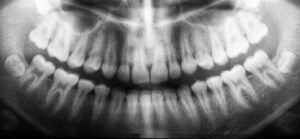
Cysts, root damage, sinus proximity in the upper jaw, and nerve proximity in the lower jaw add more variables. This is why panoramic X-rays and, in some cases, 3D imaging are so useful. They let the surgeon evaluate shape, position, depth, and surrounding anatomy before deciding on the safest approach.
When removal makes sense, and when it may not
Not every wisdom tooth needs to be removed. That point gets lost sometimes. If a wisdom tooth is fully erupted, easy to clean, biting properly against a counterpart, and not damaging other structures, a dentist may simply monitor it over time. There are adults in their thirties, forties, and beyond who still have healthy wisdom teeth.
Removal usually enters the picture when a tooth is painful, infected, partially erupted, decayed beyond practical repair, damaging the neighboring molar, or clearly impacted in a way that makes future trouble likely. Proactive removal can also be a sensible choice in younger patients. In late adolescence and the early twenties, roots may be less fully formed, bone is often more forgiving, and healing tends to be faster. That does not mean older adults cannot do well. They often do. It simply means the surgery can become more technically demanding as roots mature and bone density increases.
There is also a judgment call involved. A symptom-free impacted tooth on an X-ray is not always harmless. Sometimes the tooth has already created a deep pocket behind the second molar or started resorbing its root. Sometimes the tooth is quiet now but positioned in a way that makes infection likely later. This is where a careful exam matters more than blanket advice.
The consultation in Oxnard, what to expect
If you are exploring Wisdom Teeth Removal Oxnard CA, your first appointment is usually more informative than dramatic. A good consultation should cover the findings on your X-ray, your symptoms, your medical history, and the treatment options that fit your case. If you have asthma, sleep apnea, a bleeding disorder, diabetes, or take medications that affect clotting or healing, those details should shape the surgical plan.
The surgeon will assess how many wisdom teeth need removal, whether they are erupted or impacted, and what type of anesthesia or sedation makes sense. Some patients are comfortable with local anesthetic alone, especially for simple extractions. Others strongly prefer IV sedation because they are anxious or because the procedure is more involved. Neither choice is inherently better for everyone. The right choice balances safety, comfort, complexity, and cost.
This is also the time to ask plainspoken questions. How difficult does this look? How long will I be swollen? Will I need time off work or school? Are the lower teeth close to the nerve? Will I need someone to drive me home? Good answers should be specific without making promises no surgeon can ethically make.
One practical tip from real-world experience, do not judge the whole process based on what friends tell you. One person had all four teeth erupted and was back to light activity quickly. Another had deeply impacted lower molars and needed a slower recovery. Both stories can be true, and neither predicts your case.
Preparing for the procedure
A smooth recovery often starts before the surgery. Patients tend to focus on the procedure itself, but small practical steps can make the next several days much easier. Set up your recovery space, pick up prescriptions if they are called in ahead of time, and stock the kitchen with foods that do not require chewing.
Here is the short preparation checklist that helps most people:
- Confirm your ride home if you will receive sedation.
- Follow fasting instructions exactly, if your surgeon gives them.
- Wear comfortable clothing with short sleeves or sleeves that roll up easily.
- Have gauze, soft foods, and any recommended medications ready at home.
- Clear your calendar for at least a couple of low-key days.
Those steps sound simple, but they prevent many avoidable problems. The most common pre-op mistakes are eating when you were told to fast, arriving dehydrated, forgetting an escort for sedation, or assuming you can go right back to meetings, workouts, or childcare that same afternoon.
During wisdom teeth removal
People often expect the procedure to feel more dramatic than it does. With local anesthetic, you should feel pressure and movement, not sharp pain. With IV sedation, many patients remember very little of the procedure and are surprised by how quickly it seems to pass.
For a straightforward erupted tooth, removal may involve loosening the tooth and lifting it from the socket. For impacted teeth, the approach is more surgical. The surgeon may make a small incision in the gum, remove a limited amount of bone, and section the tooth into pieces for safer removal. Sectioning is common and does not mean anything went wrong. It is often the gentlest way to remove a difficult tooth while minimizing stress on the jaw and surrounding structures.
Lower wisdom teeth deserve special mention because of their relationship to the inferior alveolar nerve and, in some cases, the lingual nerve. Surgeons plan carefully around those structures. In higher-risk cases, the discussion may include alternatives such as coronectomy, where the crown is removed and part of the root is intentionally left in place to reduce nerve injury risk. That is not the standard for every case, but it is an example of how treatment should be tailored rather than automatic.
Upper wisdom teeth bring their own considerations, particularly their proximity to the maxillary sinus. Again, imaging and technique matter. Most removals are uneventful, but anatomy should always drive the plan.
The first 24 hours, what matters most
The immediate recovery period is less about toughness and more about discipline. The body is trying to form stable blood clots in the sockets. Protecting those clots is the main job during the first day.
Bleeding is usually more of an ooze than a dramatic flow. Firm pressure with gauze often handles it well. Swelling commonly starts the day of surgery and may peak around the second or third day. Ice packs help early. Later, warmth may feel better once the initial swelling settles in.
If there is one mistake that causes outsized trouble, it is disturbing the clot. Spitting forcefully, using a straw, smoking, vaping, or aggressive rinsing too soon can lead to a dry socket. Patients usually describe dry socket as a deep, throbbing pain that ramps up several days after surgery and may radiate toward the ear or jaw. It is not subtle, and it is not just “normal soreness.” It needs attention from the dental office because dressing the site can bring real relief.
Pain control varies. Some people manage well with over-the-counter medication alone, while others need a short course of prescription pain medicine, especially after more difficult extractions. The trend in modern oral surgery is to use the least medication necessary and rely heavily on anti-inflammatory strategies when appropriate. Follow your surgeon’s instructions rather than a friend’s leftover advice.
Eating, talking, sleeping, and getting back to normal
Food becomes more complicated than most people expect, not because you will be starving, but because chewing near fresh surgical sites feels awkward. The first day is usually a soft-food day. Think yogurt, applesauce, smoothies eaten with a spoon, mashed potatoes, soup that is warm rather than hot, scrambled eggs, or oatmeal if it is comfortable. By day two or three, many patients can broaden the menu, but crunchy foods, seeds, chips, and rice can be surprisingly irritating because small particles like to migrate into healing sockets.
Talking is usually possible the same day, though the combination of numbness, gauze, and swelling can make speech less graceful than usual. Most people do not feel up for social plans right away, and that is wise. Rest is not laziness after oral surgery. It helps limit bleeding and swelling.
Sleep often improves if you keep your head elevated the first night or two. A couple of pillows or a recliner can make a noticeable difference. Heavy exercise should wait. Strenuous activity too soon can restart bleeding and worsen swelling, even in people who feel “pretty good.”
What surprises many adults is that recovery is not perfectly linear. You may feel much better on day two, then more swollen on day three. Jaw stiffness can peak after the first day. Mild bruising may show up late. That does not necessarily signal a problem. Healing has a rhythm of its own.
The symptoms that deserve a phone call
Most soreness, swelling, and limited mouth opening are expected. Some situations need a closer look, especially if they are getting worse instead of better.
Call the office if you notice any of the following:
- Bleeding that stays heavy despite firm gauze pressure.
- Fever, worsening swelling, or a foul taste that suggests infection.
- Pain that sharply intensifies several days after surgery.
- Trouble swallowing, breathing, or opening your mouth progressively less.
- Numbness that persists in a way your surgeon told you to monitor urgently.
That list is not meant to make recovery feel precarious. It is simply the difference between normal post-op changes and signs that the office should hear from you. In practice, most patients do well with routine aftercare and one follow-up if needed.
A realistic timeline for recovery
Simple cases can feel markedly better within a few days. More involved extractions, especially lower impacted teeth, often need a full week before patients feel comfortably back to normal routines. Residual tenderness with chewing can linger longer. Tiny food traps in the lower sockets may remain for a while as the gums remodel and fill in.
Stitches, if used, may dissolve on their own or be removed at a follow-up visit. The gum tissue usually looks better before the deeper bone has fully remodeled. That is one reason a site can seem “healed” from the outside while still feeling tender with hard foods.
Younger patients often recover faster, but that is not a guarantee. I have seen healthy college students struggle because they went back to sports too soon, skipped hydration, and lived on iced coffee. I have also seen busy adults in their forties recover smoothly because they followed instructions carefully and respected the recovery window. Technique matters, anatomy matters, and patient habits matter.
Special concerns for teens, college students, and working adults
Families scheduling wisdom teeth removal for teens often try to align it with school breaks. That makes sense, especially when all four teeth are involved. A long weekend may be enough for a simple case, but more difficult extractions deserve more buffer. It is much easier to recover at home than to push through classes, athletics, or social commitments while swollen and sore.
College students should think beyond the surgery date. If they are living away from home, they need a responsible adult for sedation, transportation, and the first phase of recovery. Dorm life is not ideal for fresh oral surgery, particularly if roommates are noisy and dining options are limited.
Working adults face a different challenge. Many underestimate how distracting oral surgery recovery can be, especially if their job involves customer interaction, long meetings, public speaking, or physical labor. Desk work from home may be manageable sooner, but a packed in-office day right after surgery is usually optimistic. Planning for a short but genuine recovery period tends to go better than trying to squeeze surgery into an already overloaded week.
Cost, insurance, and the value question
Cost matters, and it is reasonable to ask for a clear estimate. Fees vary based on the number of teeth, the complexity of the extraction, imaging, the type of sedation, and regional practice patterns. Insurance may cover part of the procedure, but benefits differ widely. Some plans separate surgical fees from anesthesia fees. Others apply waiting periods or annual maximums that affect out-of-pocket cost.
The more useful question is not simply “What is the cheapest option?” but “What level of care is appropriate for my case?” A low-complexity extraction under local anesthetic is one thing. Four impacted teeth near important anatomy is another. The quality of assessment, imaging, surgical judgment, and post-op support matters. Delaying necessary treatment to save money in the short term can backfire if a painful infection, damage to the second molar, or an emergency visit follows.
Choosing the right provider in Oxnard
When comparing providers for Wisdom Teeth Removal Oxnard CA, look past marketing language and focus on fit. You want a team that explains the X-rays clearly, reviews https://rentry.co/q2c2vofq risks honestly, and offers an anesthesia plan that suits both your medical profile and your comfort level. If your case looks straightforward, that should be said plainly. If it looks more technically challenging, that should be said plainly too.
Pay attention to how the office handles the small details. Are instructions clear? Do they explain when to stop eating before sedation? Do they discuss medications you take? Is there a plan for after-hours concerns? Patients often judge an office by the friendliness of the front desk, and that matters, but oral surgery quality also shows up in planning, communication, and follow-through.
A second opinion can be helpful if recommendations are unclear or if the first consult left you with unanswered questions. That is not being difficult. It is part of making an informed decision, especially if the imaging suggests a higher-risk extraction.
What patients usually wish they had known earlier
The biggest surprise is that wisdom teeth problems are often intermittent before they become obvious. A little swelling that fades, a bad taste behind the molars, mild jaw soreness while chewing on one side, these are easy to ignore. By the time there is constant pain, the area may already be inflamed or infected.
The second surprise is that recovery tends to go better when people simplify their lives for a few days. The patients who struggle most are often not the ones with the hardest surgeries. They are the ones who try to run errands right after sedation, return to the gym the next morning, eat chips on day two, or smoke because “just one won’t matter.” Oral surgery is fairly routine, but healing still asks for cooperation.
The third surprise is that relief often comes quickly once the trouble teeth are out. Patients who have dealt with repeated gum flares, pressure, or headaches from clenching around a sore area often realize after the fact how much the teeth had been bothering them.
The bottom line on timing and recovery
If your wisdom teeth are healthy, functional, and easy to monitor, removal may not be urgent or necessary. If they are impacted, inflamed, infected, damaging neighboring teeth, or repeatedly causing symptoms, delaying rarely makes the situation simpler. Earlier treatment often means an easier recovery, though each case stands on its own.
For anyone considering Wisdom Teeth Removal Oxnard CA, the best next step is a thoughtful evaluation, not a rushed decision. Good imaging, a clear explanation, and realistic expectations will tell you far more than horror stories online or overly casual advice from friends. Once you know your anatomy, your level of difficulty, and your sedation options, the whole process becomes less mysterious.
Most wisdom teeth surgeries are manageable. The keys are good planning, an experienced clinician, and a patient who takes aftercare seriously. When those pieces line up, the procedure is usually far less daunting than people expect, and the recovery is something they move through, not something that takes over their lives.
Oxnard Dentistry
1730 E Gonzales Rd
Oxnard, CA 93036, United States
Phone: +1 805-307-8731
FAQ About Wisdom Teeth Removal Oxnard CA
How much does it cost to get wisdom teeth removed in California?
Fees depend on tooth position, the number of extractions, imaging and anesthesia. Oxnard Dentistry can provide an individual estimate after examining your teeth. Ask for an itemized plan and confirm insurance benefits before scheduling.
Will insurance cover wisdom teeth removal?
Coverage and out-of-pocket costs vary by policy and the treatment required. Ask the dental office and your insurer to verify benefits, annual limits and any authorization requirements. A benefit estimate does not guarantee payment.
Is 30 too old to have wisdom teeth removed?
Age alone does not determine whether extraction is appropriate. A dentist evaluates symptoms, tooth position, oral health and medical history. Healthy, functional wisdom teeth may be monitored; teeth causing disease or other problems may need treatment.