Foods to Eat After Wisdom Teeth Removal
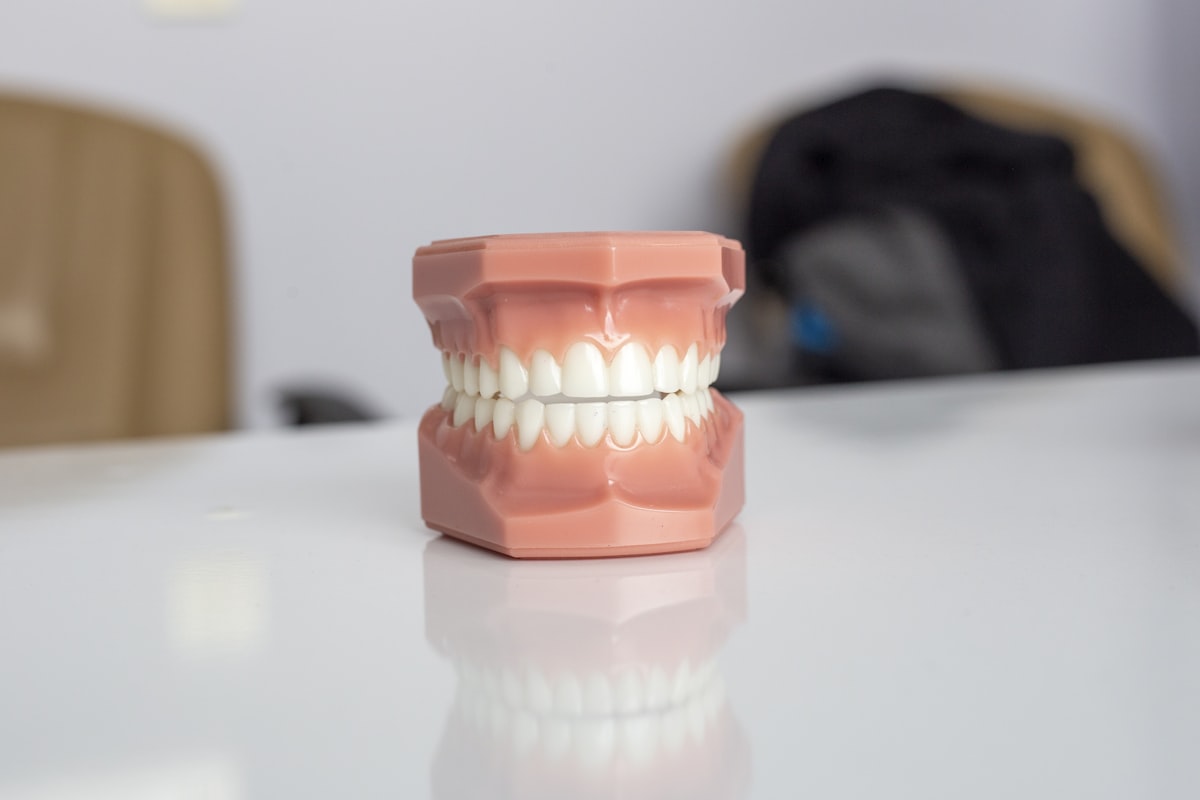
Wisdom teeth removal changes the way you eat for several days, and sometimes for a couple of weeks. The right foods do more than keep you comfortable. They help protect the blood clot, reduce irritation, make it easier to stay hydrated, and give your body the protein, calories, vitamins, and minerals it needs to heal. The wrong foods can do the opposite. A crunchy chip, a mouthful of rice, or a hot coffee taken too soon can turn an ordinary recovery into a miserable one.
Most people know they need “soft foods,” but that advice is too vague to be useful when you are standing in your kitchen, tired, swollen, and trying to figure out what you can actually eat without pain. Texture matters. Temperature matters. Even how the food breaks apart in your mouth matters. A food can be soft in theory and still be a terrible choice if it leaves gritty particles behind or makes you chew more than you should.
After years of seeing how oral surgery recovery goes in real life, one pattern stands out. People usually do best when they think in phases instead of one giant category called soft food. Your mouth on the first evening is not the same as your mouth on day four. Your appetite changes, your swelling changes, and your tolerance for chewing changes. If you match your meals to that progression, eating feels much less frustrating.
What your mouth needs right after surgery
The empty socket where the tooth was removed needs time to seal and begin repairing itself. In the first 24 hours, your priority is protecting the clot that forms over the area. If that clot gets dislodged, healing becomes more painful and slower. That is one reason dentists and oral surgeons are so strict about food texture, drinking habits, and suction from straws.
Your jaw may also be stiff, your cheeks may be swollen, and opening your mouth wide might be uncomfortable. That pushes many people toward foods that slide down easily, require very little chewing, and can be eaten with a small spoon. You are not aiming for perfect nutrition in a single meal. You are aiming for food and fluids that you can tolerate consistently, without disturbing the surgical site.
Cold or cool foods often feel best at first because they can soothe the area. Very hot foods, spicy foods, and anything acidic can sting. Tiny bits of food are another common problem. Seeds, grains, crumbs, and fibrous pieces can get near the socket and create an annoying, sometimes painful cleanup issue.
The first 24 hours, simple, cool, and smooth
The first day after wisdom teeth removal is usually about damage control. Most people are drowsy, sore, and not interested in a full meal. That is normal. The safest foods during this stage are smooth, cool or room temperature, and easy to swallow.
Yogurt is often one of the best starting points, especially plain or lightly flavored varieties without granola, seeds, or fruit chunks. Greek yogurt has the advantage of extra protein, which can help if your appetite is low and you are only managing a few spoonfuls at a time. If dairy feels heavy, a dairy free smooth yogurt can work just as well.
Applesauce is a classic for a reason. It is soft, easy to eat, and usually well tolerated even when your mouth feels tender. Pudding, custard, and mousse also fit this stage nicely. They are not complete meals, but they can help you get calories in when chewing is out of the question.
Smooth soups can be helpful, though it is worth emphasizing the word smooth. A creamy tomato soup that has cooled to lukewarm may work. A chunky vegetable soup does not. Potato leek soup, butternut squash soup, or a blended chicken soup can be excellent if they are fully pureed and not served hot. If you can smell steam rising from the bowl, wait longer.
Mashed potatoes are another standby, though the texture matters more than people expect. They should be soft, moist, and free of skins or lumps. Dry mashed potatoes can make swallowing awkward and encourage more mouth movement than you want. A little broth, butter, olive oil, or gravy can loosen them enough to make them comfortable.
Protein shakes and meal replacement drinks can be genuinely useful in the first day, especially if you do not feel like eating. Choose one that is smooth and not full of seeds or gritty add ins. The catch is how you drink it. Sip from a cup, not a straw. Suction is not your friend after oral surgery.
Ice cream comes up a lot, and yes, it can feel soothing, but it helps to be selective. Soft ice cream or a milkshake consistency eaten with a spoon is easier than anything with nuts, cookie pieces, caramel shards, or hard mix ins. Also, too much sugar without enough real nourishment tends to backfire. A bowl of ice cream can be part of the day, not the whole plan.
Days two and three, still soft, but more substantial
By the second and third day, many people want something more filling. Swelling often peaks around this time, so comfort still matters, but your meals can start doing more nutritional work. This is where soft proteins and more complete dishes make recovery smoother.
Scrambled eggs are often one of the easiest upgrades. They are soft, mild, and rich in protein. Cook them gently so they stay tender, not browned and rubbery. If plain eggs feel too dry, a little cheese or cottage cheese mixed in can soften the texture further.
Oatmeal can work well once it has cooled and has a soft, porridge like consistency. Thin it if needed. Thick, sticky oatmeal can be harder to manage than people expect. Cream of wheat and similar hot cereals are often even easier. Let them cool to warm or room temperature before eating.
Cottage cheese, ricotta, and soft tofu are practical options that people often overlook. They do not require much chewing, and they provide protein without the heaviness of some meats. Tofu blended into a soft savory bowl or eaten plain with a little sauce can be a surprisingly comfortable meal when your jaw is tired.
Avocado is another excellent recovery food. It is soft, calorie dense, and easy to mash with a fork. Plain mashed avocado works, or you can spread it onto something only once you are truly ready for more texture. Early on, it is better treated as a spoon food than as toast topping.
Well blended smoothies can help during this middle stage too, especially if you build them thoughtfully. A banana blended with yogurt and a spoonful of peanut butter can provide calories and protein in a manageable form. The danger is overcomplicating them. Berries with seeds, chia, flax, raw greens that stay fibrous, or crunchy toppings are poor choices right after Wisdom Teeth Removal. Smooth means truly smooth.
Protein matters more than most people realize
A lot of post surgery eating advice centers on comfort, and that makes sense, but comfort alone is not enough after a day or two. Healing tissue needs building blocks. If all you eat is pudding, applesauce, and ice cream for several days, you may find yourself more fatigued, hungrier, and slower to bounce back.
Protein does not have to come from chewing a piece of chicken. It can come from eggs, Greek yogurt, cottage cheese, soft fish, tofu, lentil puree, or a drinkable nutrition shake. Even mashed beans can work if they are very smooth and not heavily spiced. The practical target varies by body size and appetite, but most adults benefit from making sure some form of protein appears at each meal or snack.
This is also where people who dislike sweet foods after surgery often struggle. Many easy recovery foods lean sweet. If that sounds unappealing, shift toward savory soft foods earlier. Smooth soups enriched with soft tofu or pureed beans, mashed potatoes with finely blended meat gravy, or softly scrambled eggs can balance things out. A savory option often becomes the meal that finally feels satisfying.
Days four through seven, testing soft chewing carefully
If healing is going normally, this stretch often feels like a turning point. The soreness may still be there, but eating usually gets easier. This is the stage where you can start trying foods that require a little chewing, as long as they are still soft and low risk.
Macaroni and cheese is a common favorite here because it is soft, mild, and filling. Just be careful if the pasta shape feels too large or if the sauce is very hot. Small pasta in a creamy sauce generally goes down more easily than firmer noodles.
Soft pasta with a smooth sauce can work well too. Think tender noodles with marinara, butter, or a blended meat sauce, not al dente spaghetti that demands a lot of chewing. Overcooked pasta is one of the few times “slightly too soft” is exactly right.
Flaky fish is often easier than chicken at this point. Salmon, cod, or another tender fish that breaks apart with almost no effort can give you a more complete meal without pushing your jaw too hard. Bake it until moist, not dry. Dry meat of any kind tends to be frustrating after oral surgery.
Very soft cooked vegetables can start to come back as long as they mash easily with a fork. Carrots cooked until tender, squash, sweet potatoes, and well cooked zucchini are usually more manageable than fibrous vegetables like broccoli stems or leafy salads.
Rice is where judgment matters. Some people tolerate very soft rice after several days, but small grains can wander and get stuck near the healing site. If you are tempted, choose something stickier and softer rather than dry separate grains, and rinse gently after eating if your dentist or surgeon has told you it is safe to do so. When in doubt, wait a bit longer.
Foods that are usually worth avoiding for now
Some foods are technically edible but not worth the risk or discomfort during the first week or so. This is where a little patience saves a lot of aggravation.
- Crunchy foods such as chips, crackers, popcorn, and toasted bread
- Small loose foods such as rice, quinoa, seeds, and nuts
- Tough meats, jerky, and chewy bread products like bagels
- Spicy, very acidic, or very hot foods that can sting the site
- Drinks through a straw, and carbonated beverages if they feel irritating
Popcorn deserves special mention because people return to it too early all the time. The sharp hulls have a remarkable ability to find healing tissue. The same goes for seeded breads and berry smoothies that leave behind little particles. A food does not need to be hard to be annoying.
Hydration is half the battle
Dry mouth and mild dehydration make recovery feel worse. Pain medicine can contribute to that, and so can eating less than usual. Water should stay in the rotation all day, taken as small sips if large gulps feel awkward. If plain water becomes unappealing, diluted juice, milk, or an oral rehydration drink can help, provided it does not sting.
A practical trick is to keep a cup nearby and take a few sips every time you get up, check your phone, or take medication. People often forget to drink when they are resting. Then by evening they have a headache, a sticky mouth, and almost no appetite.
If nausea enters the picture, which can happen after anesthesia or pain medication, room temperature fluids and bland soft foods usually sit better than rich dairy desserts. Applesauce, a banana blended smooth, or cooled oatmeal may be easier than ice cream in that moment. Recovery is rarely linear, so it helps to have both light options and more substantial ones available.
A realistic day of eating after wisdom teeth removal
Many patients feel better when they can picture what an actual day looks like, rather than collecting random “approved foods.” Here is one simple pattern that works for many adults once the immediate first day has passed.
- Breakfast: cooled oatmeal with Greek yogurt stirred in, or softly scrambled eggs
- Midday: pureed soup with mashed avocado on the side
- Afternoon: a smooth protein shake or yogurt
- Dinner: mashed potatoes with flaky fish or very soft mac and cheese
- Evening: applesauce, pudding, or cottage cheese if you are still hungry
This kind of structure covers comfort, hydration, and protein without asking too much of a sore mouth. It is also flexible. If mornings are your worst time, swap breakfast and lunch textures. If sweet foods turn your stomach, make both snacks savory. Recovery eating is less about perfect meal planning and more about repeatable, low effort choices.
The foods people regret trying too soon
There is a predictable group of foods that sound manageable until you actually try them. Toast is one. Even when softened a little, the edges can feel abrasive. Pizza is another. The cheese may seem soft, but the crust and the need for wide biting usually make it a bad early choice.
Chicken breast trips people up for a different reason. It seems like a healthy, sensible protein, but unless it is extremely tender and finely shredded into sauce, it often becomes dry mouthfuls that require more chewing than is comfortable. Soft fish, eggs, or dairy proteins usually beat it in the first week.
Salads also tend to return too early. Lettuce is not hard, but it is awkward. It scatters, catches, and demands more coordinated chewing than a healing mouth enjoys. Raw vegetables have the same problem with the added issue of crunch.
Then there is the temptation to celebrate too soon. Someone feels noticeably better on day five, orders fries or tacos, then spends the evening regretting it. Feeling better and being ready are not always the same thing. A gradual return is almost always easier than a sudden jump back to normal eating.
Temperature, seasoning, and texture make or break a meal
When a food works, it is usually because three things line up. It is soft enough, mild enough, and served at the right temperature. People focus on softness and forget the other two.
Temperature can turn a safe food into an unpleasant one. Soup that is lukewarm may be fine. The same soup steaming hot can throb against the surgical site. Cold foods can feel soothing early on, but very cold foods can bother sensitive Wisdom Teeth Removal Oxnard Dentistry teeth in some people. If something that “should” be easy still hurts, temperature is often the reason.
Seasoning deserves attention too. Even foods with the right texture can sting if they are heavily salted, acidic, or spicy. Tomato sauce varies a lot. A mild creamy tomato soup may feel fine, while a sharp pasta sauce loaded with chili flakes may not.
Texture is the final piece. The best recovery foods are cohesive. They stay together on the spoon and in the mouth. Foods that crumble, scatter, flake too sharply, or separate into little bits are usually the ones that cause trouble.
If you are vegetarian, dairy free, or just picky
Diet preferences and restrictions do not need to derail recovery, but they do require a little planning. Vegetarians usually have plenty of options, especially with eggs, yogurt, cottage cheese, tofu, and blended bean soups. The main challenge is getting enough protein without relying on seeded smoothies, nutty granolas, or chewy meat substitutes.
For dairy free eating, soft tofu, dairy free yogurt, mashed avocado, pureed lentil soups, and blended smoothies can cover a lot. Coconut yogurt can be soothing, though it is usually lower in protein than Greek yogurt, so you may want another protein source in the day.
Picky eaters often do best by keeping flavors familiar. Plain mashed potatoes, mild mac and cheese, vanilla yogurt, scrambled eggs, and applesauce are easier to tolerate than trying to force “healthy” foods you already dislike. During a short recovery window, consistency beats ambition.
When eating is harder than expected
Some Wisdom Teeth Removal discomfort is normal. Being unable to eat or drink enough is not something to ignore. If swallowing becomes difficult, pain spikes sharply when you try to eat, or you are going long stretches with almost no fluids, it is worth contacting your dental surgeon. The same is true if you notice worsening swelling after the initial peak, a bad taste that does not go away, fever, or pain that seems to intensify rather than gradually improve.
Dry socket is one of the complications people worry about most after Wisdom Teeth Removal. It tends to cause significant pain rather than just routine soreness, often a few days after surgery. Food itself does not always cause it, but choices that disturb the clot, including aggressive rinsing, straws, smoking, or hard chewing too early, can increase the risk. That is another reason conservative eating is worth it.
Easing back to normal food
Most people can begin broadening their diet over a week or two, depending on how difficult the extraction was and what their surgeon advised. There is no prize for rushing it. Add one more challenging food at a time and notice how your mouth responds. If something feels irritating, drop back to softer choices for another day.
A useful rule is to judge food by the chewing it demands, not by whether it sounds healthy. Tender salmon may be easier than whole grain toast. Overcooked pasta may be better than a “light” salad. A soft, moist casserole may beat a sandwich. Recovery eating is temporary and practical.
By the time your mouth feels mostly normal, you can return to the foods you enjoy. Until then, aim for meals that are boring in the best possible way, soft, calm, and easy to manage. That usually leads to less pain, steadier energy, and a smoother healing process. After wisdom teeth removal, the smartest food choices are rarely glamorous, but they work.
Oxnard Dentistry
1730 E Gonzales Rd, Oxnard, CA 93036, United States
+1 805-307-8731
FAQ About Wisdom Teeth Removal
How painful is it to remove a wisdom tooth?
Local anesthetic numbs the area during extraction. Pressure may still be noticeable; tell the dentist if you feel pain. Soreness and swelling afterward are common. Follow the pain-control instructions provided for your situation.
How long is recovery for wisdom teeth extractions?
Recovery varies with the tooth position and complexity of the extraction. Some people resume routine activities quickly, while others need several days of rest. Soreness, swelling and jaw stiffness can last up to two weeks. Follow your clinician's aftercare and activity advice.
What are the risks of wisdom tooth removal?
Possible complications include dry socket, infection, persistent bleeding and changes in sensation from nearby nerve injury. Your dentist or oral surgeon should explain your individual risks before treatment. Seek prompt dental advice for bleeding that will not stop, fever, or severe or worsening pain and swelling.